
Milk Chillers Kenya
Milk Chillers Kenya
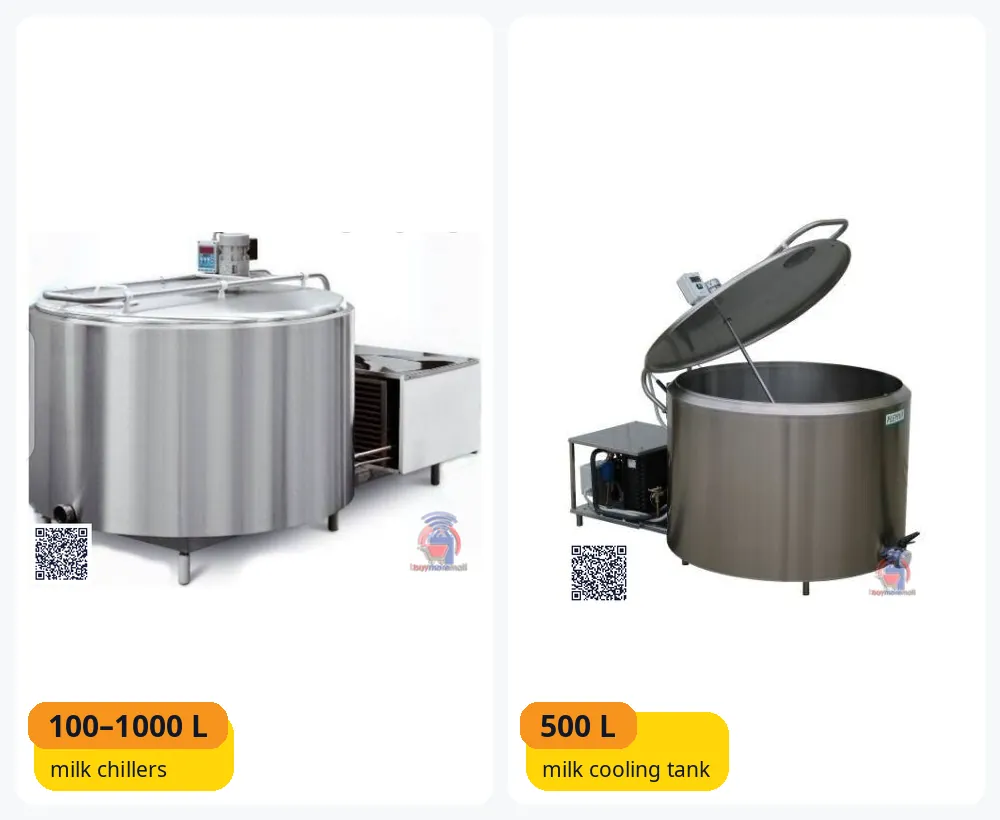
H-TECH stainless milk chillers and cooling tanks from 100 to 1000 litres for farms, collection centres, cooperatives and milk bars in Kenya. Compare sizes and current prices, then order or request a quotation.
Price guide · updated 20 October 2026
Milk cooling tank price in Kenya (2026)
Quick answer: H-TECH milk chillers (milk cooling tanks) cost from KSh 280,000 to KSh 800,000 in Kenya for 100 L, 300 L, 500 L, 700 L and 1,000 L tanks. Size the tank to your daily collection plus one extra milking, and plan a stable power supply.
| Model | Size / capacity | Price |
|---|---|---|
| 100 LTRS MILK CHILLER | 100 L | KSh 280,000 |
| 300 LTRS MILK CHILLER | 300 L | KSh 330,000 |
| 500L MILK CHILLER | 500 L | KSh 450,000 |
| H-TECH 500 LITERS MILK CHILLER | 500 L | KSh 450,000 |
| 700 LITRES MILK CHILLER | 700 L | KSh 650,000 |
| H-TECH 1000 LTRS MILK CHILLER | 1,000 L | KSh 800,000 |
| Milk chiller or cooler | – | KSh 320,000 |
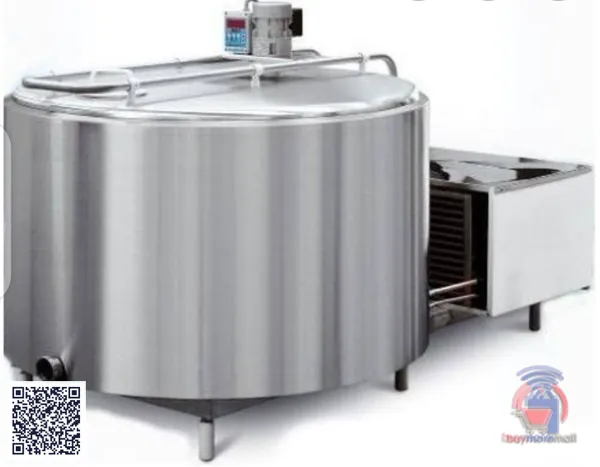
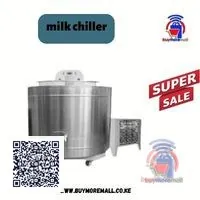
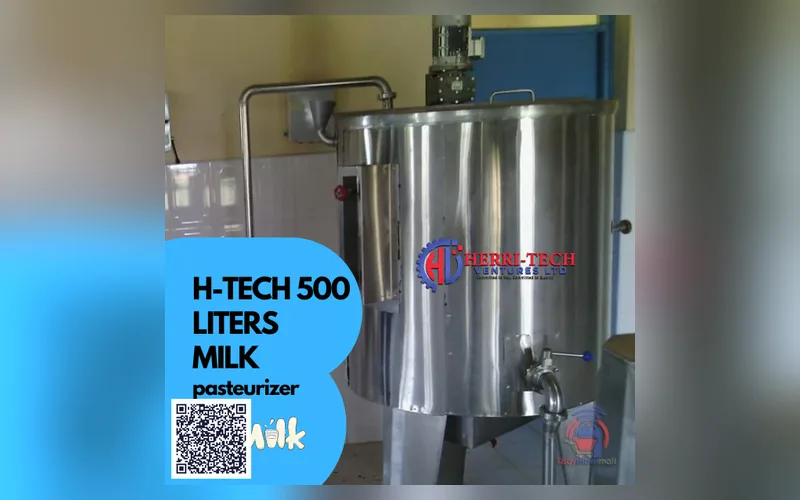
See the milk cooling tank models
Real photos of the models listed above. Tap a photo for full details and to order.

Watch: Milk chillers and pasteurizers
Prices include VAT and are the current listed prices for Herritech Ventures equipment. Delivery, installation and any site work are confirmed on your quotation.
Shop by pillar
Choose the equipment family for your operation.
Start with your application, then request a site-fit quotation for capacity, installation and support.

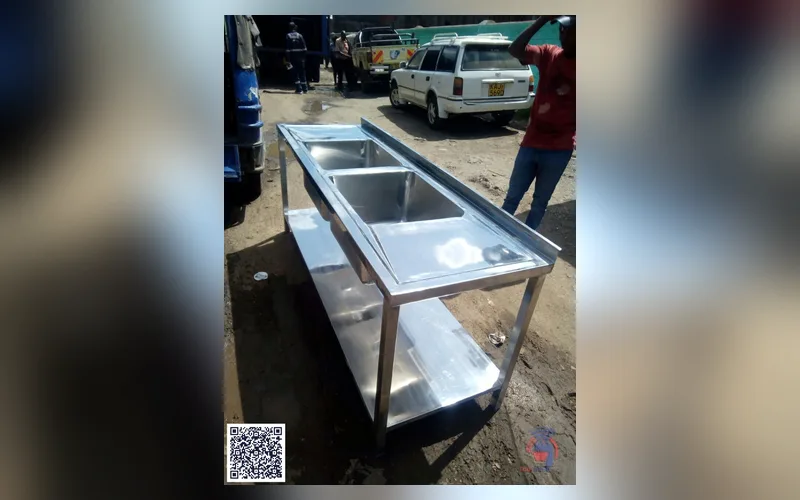
Stainless and industrial
Fabrication, packaging lines, conveyors and custom equipment.
Browse industrial →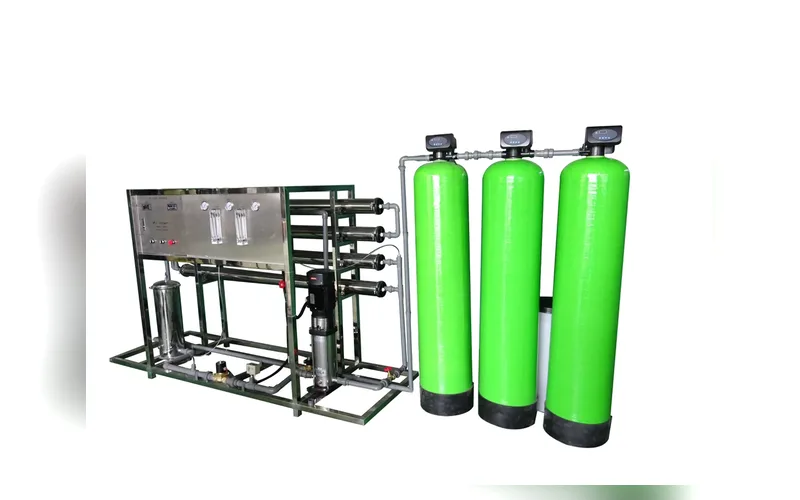
Shop other equipment
More H-TECH equipment
Every H-TECH equipment family, with real photos and current prices. Tap a family to compare models.
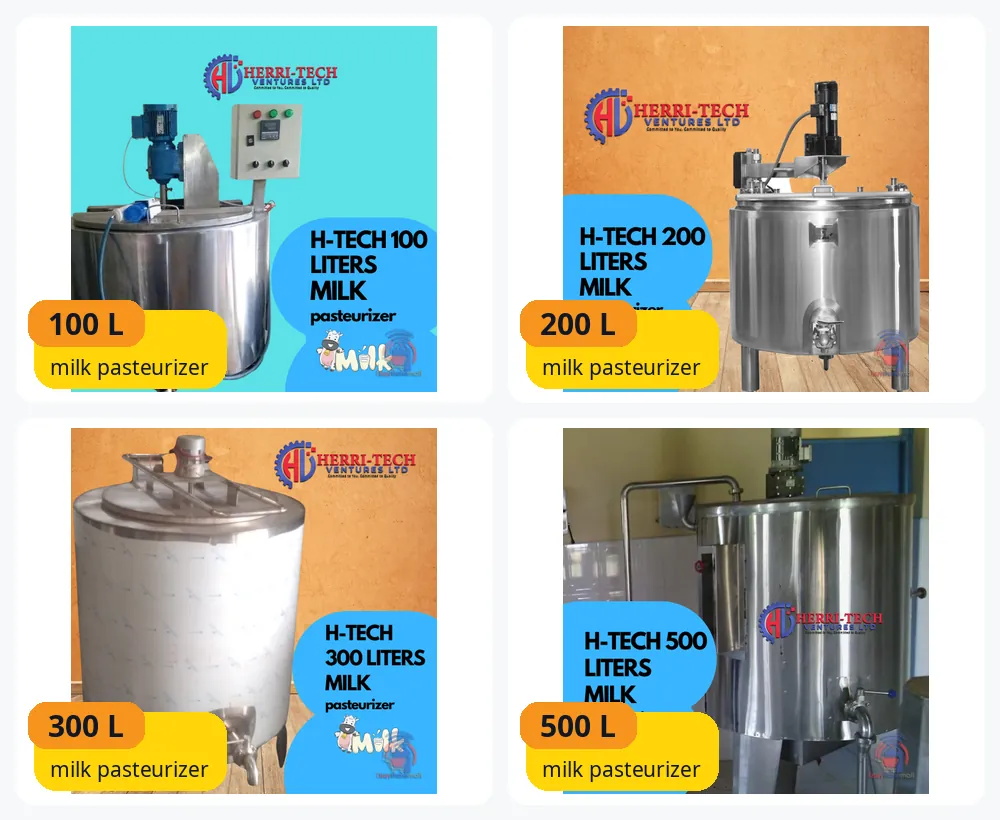



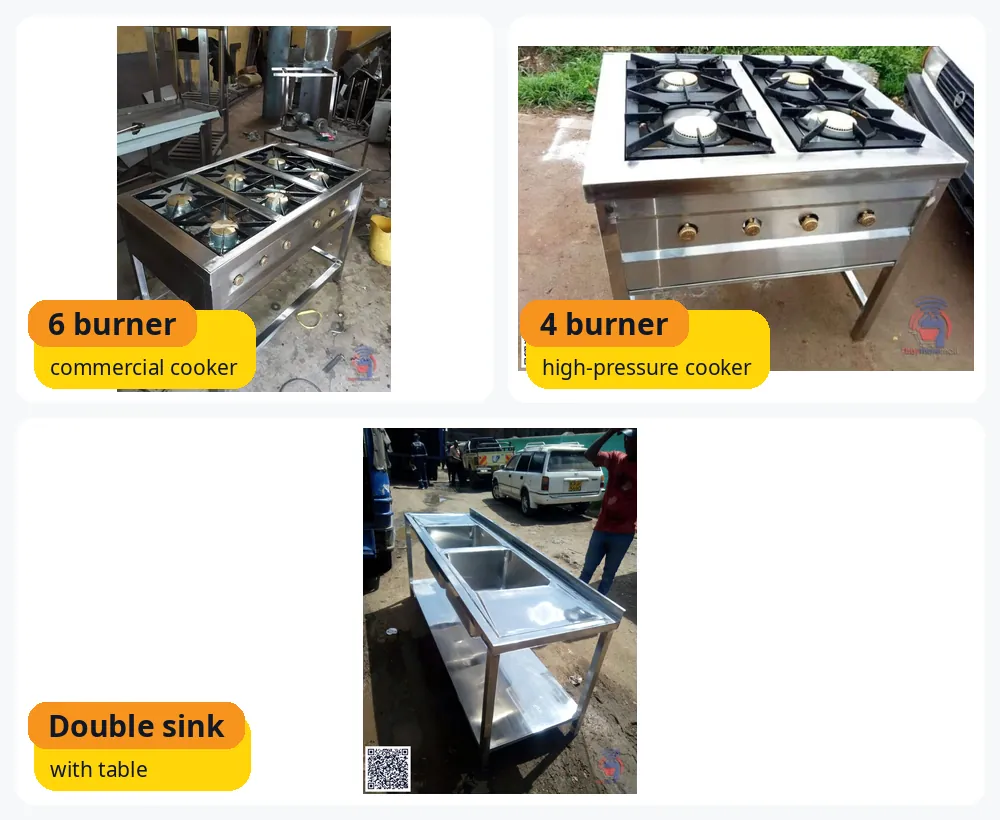
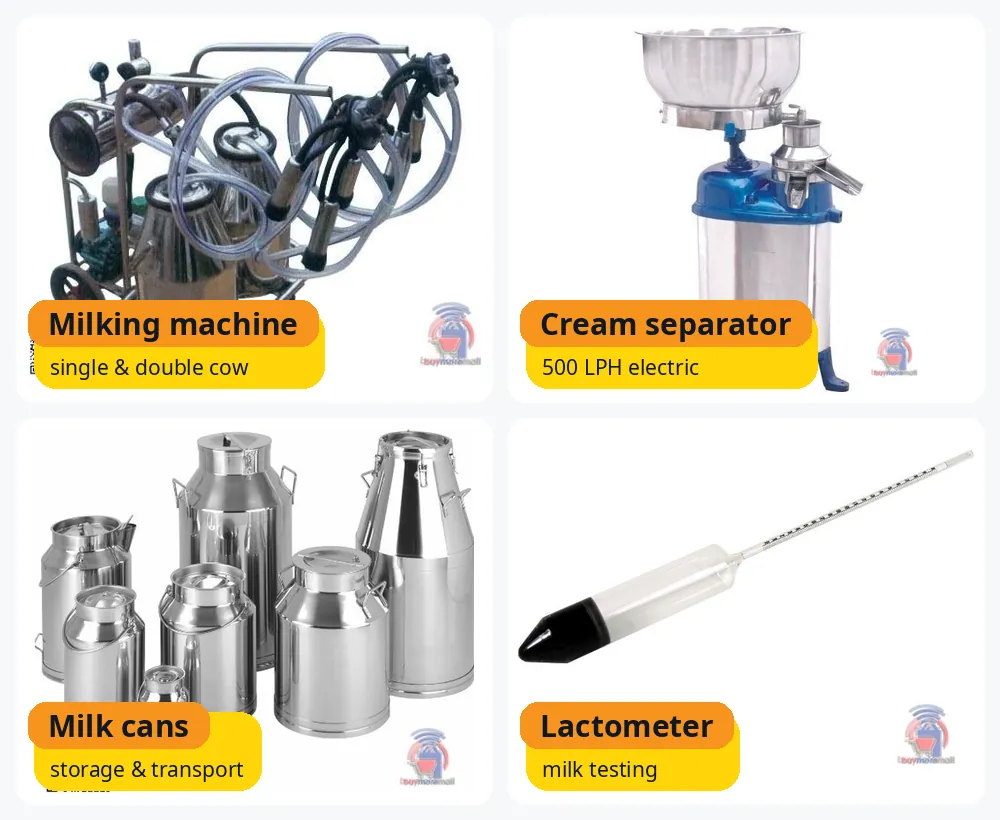

Browse equipment
Find the right machine for your operation.
Search cooking oil vending machines, oil ATMs, milk vending equipment, pasteurizers and water-treatment systems.
Loading equipment…
Milk chiller buyer questions
Questions buyers ask before choosing a milk chiller.
Compare capacity, cooling performance, site power and cleaning requirements before choosing a milk cooling tank for a farm, collection centre, cooperative or processor.
How much is a milk cooling tank in Kenya?
On this page, H-TECH milk cooling tank prices range from KSh 280,000 (100 LTRS MILK CHILLER) to KSh 800,000 (H-TECH 1000 LTRS MILK CHILLER). The quotation confirms delivery and installation for your site.
What milk chiller capacity do I need?
Start with the largest milk volume you need to receive or hold between collection, processing or pickup—not only the daily total. Allow practical headroom, account for peak intake and confirm future growth, collection frequency and available installation space.
How fast should a milk cooling tank cool milk?
Put the cooling-time requirement in the written quotation using the incoming milk temperature, batch size, ambient conditions and refrigeration design. As one Kenyan public 10,000L specification illustrates, a large bulk cooler may be specified to cool from 35°C to 4°C within three hours; the right requirement varies by site.
Is a milk chiller the same as a bulk milk cooler?
Those terms are often used for the same type of milk cooling and holding tank. Confirm the actual build: food-contact material, insulation, agitator, temperature controls, refrigeration unit, drainage and cleaning arrangement.
Do I need single-phase or three-phase power for a milk chiller?
The electrical requirement depends on the tank capacity and refrigeration package. Confirm the available supply, protection, cabling, generator or solar plan and commissioning requirements before ordering; larger systems commonly need a three-phase assessment.
How do I clean and maintain a milk chiller?
Use a documented cleaning and sanitation routine for milk-contact surfaces, monitor temperature and agitator operation, inspect seals and drains, and schedule refrigeration service. Ask for the cleaning procedure, spare-parts plan and support scope with your quotation.